
© Copyright 2025 – ADPM

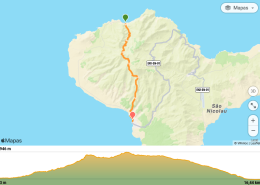
Occupying a substantial portion of the heart of the island, Monte Gordo Natural Park is where you’ll find the highest point on São Nicolau. Furthermore, there are several towns scattered throughout the park’s boundaries, and all tours should begin at Cachaço, the place from where, from the height of its majestic 1,300 meters of altitude, you can enjoy the best view on the entire island… if you’re not unlucky enough to catch a foggy day! Not far from the village, you can also take a detour to the Church of Monte Sintinha. At the foot of Monte Gordo, of volcanic origin, and still within the park, it is also worth visiting Ribeira dos Calhaus and Fragata, towns with absolutely fabulous trails flanked by dragon trees and enviable views of the sea and neighboring villages.
Drenched in grogue, cachupa is served to all present.
On the way to Ribeira Brava, you find the drawings of Rotcha Scibida – created by the action of sediments on the rocks – which deepen the mysticism of the traditions.
But you also find a grand landscape and a population that carries the warmth of morabeza in their smiles.
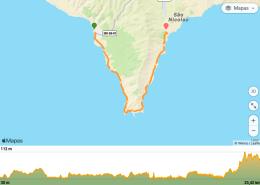
The Village of Tarrafal, a land known for its beaches with sands rich in iodine and titanium, believed to have medicinal properties, is located to the southwest.
Those suffering from joint and bone issues find in Tarrafal a sought-after center of natural thalassotherapy.
Also in Tarrafal is the canning industry center, where, after being caught, the tuna is processed.
Plus, on an island so well-known for its trails and mountain scenery, it’s quite refreshing—literally—to have some downtime by the coast. Among the most popular beaches, it’s impossible not to notice Praia de Baixo Rocha, Praia Branca or Praia da Luz. Between dives, you can always stop by the Fishing Museum, located immediately next to Cape Verde’s oldest canning factory (still in operation).
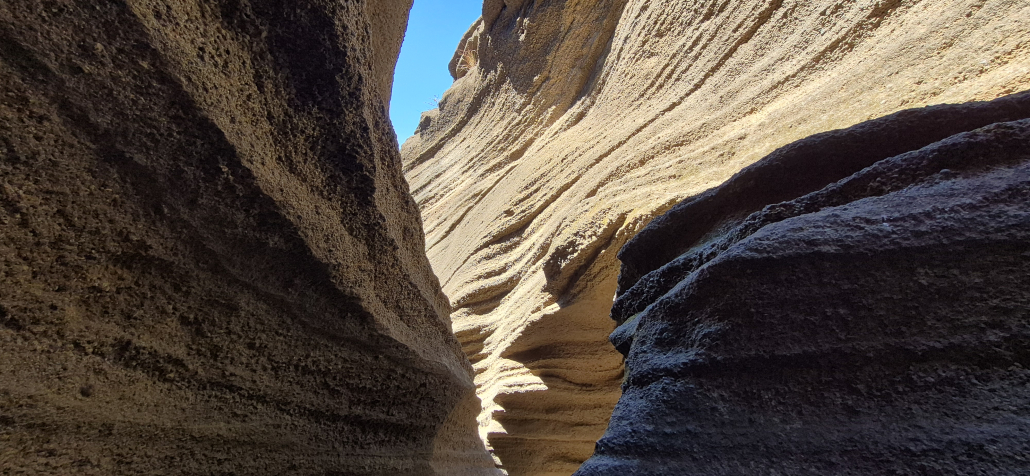
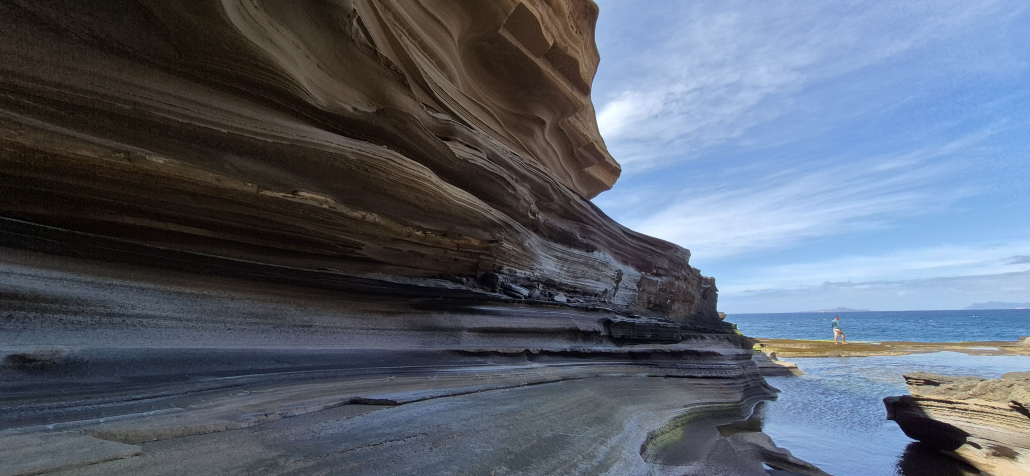
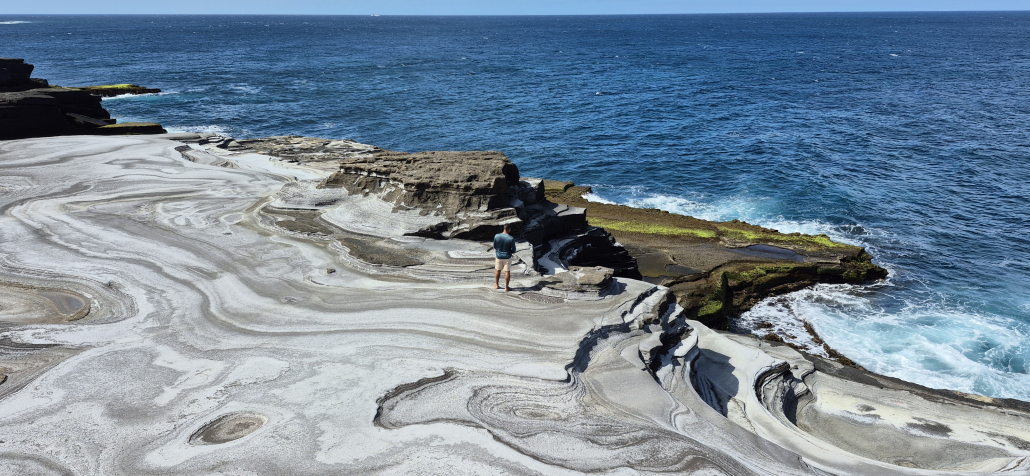
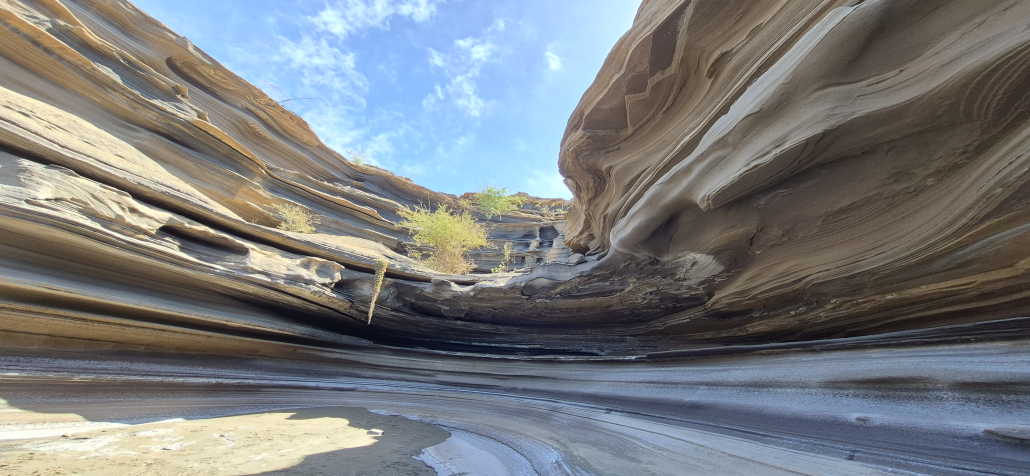
A place that, if located on any of the other more popular islands, would certainly be among the most visited places in Cape Verde, Carbeirinho is a protected coastal area known for its stunning cliffs. Due to the force of the tides, erosion and the endless passage of time, the sea ended up carving strange and irregular shapes into the sea cliffs, resembling (with due differences) the effect created in some of the most famous canyons in North American national parks.
It’s an incredibly beautiful and unique landscape, made even better by the fact that the same phenomenon has created authentic complexes of natural pools and revealed caves with hidden beaches next to the cliffs.
© Copyright 2025 – ADPM